

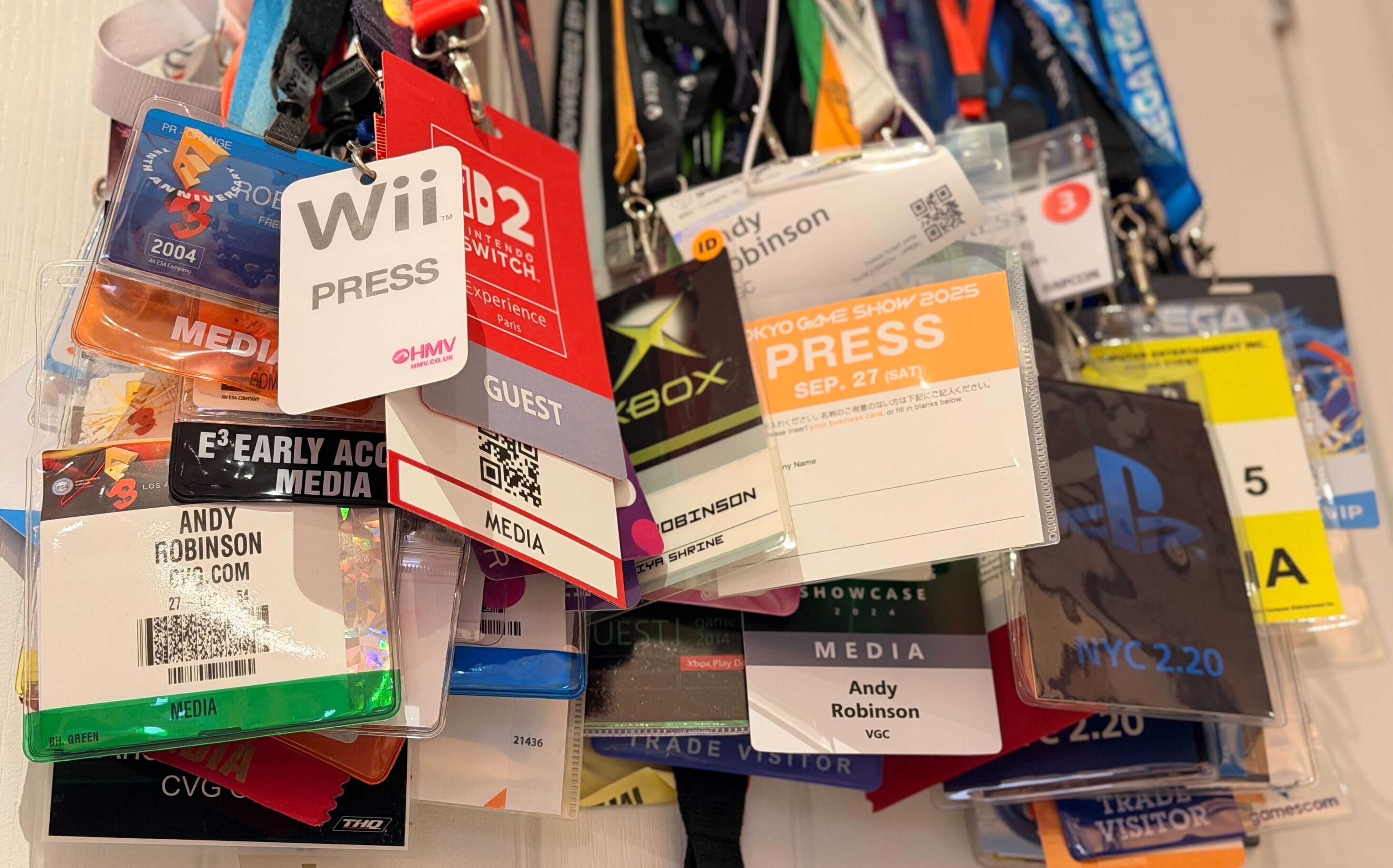
“For quality games media, I continue to believe that the best form of stability is dedicated reader bases to remove reliance on funds, and a hybrid of direct reader funding and advertisements. If people want to keep reading quality content from full time professionals, they need to support it or lose it. That’s never been more critical than now.”
The games media outlets that have survived, except for Gamespot and IGN, have just about all switched to this model. It seems to be the only way it survives.
Is that actually enforced? If so, what’s the explanation for reviewers giving suspiciously high reviews to AAA games?
As someone who’s done this before, let me tell you it’d be much easier for Toby Fox to pay me to give Undertale a good review than it would for Ubisoft to pay me to give Rayman a good review.
Are you talking from a regulatory standpoint or from an “I like indies so I’d give it a pass” standpoint?
I’m talking about how easy it is to deal with a singular party than a developer/publisher duo and their rotating marketing and engagement departments.
Surprisingly so. There’s a huge difference in online advertisements pre- and post-Fyre Festival.
They liked the game more than you. I promise you it is that simple.
I’m not talking about my personal preference on rating, I’m talking about broad community reviews.
For example, Cyberpunk 2077 is a notorious example. It got generally favorable reviews from reviewers, and the public release was a completely broken pile of trash on console. Reviews didn’t even get the console release, yet still gave it a positive review because the experience on PC was decent. How can we trust reviewers if they don’t actually try the game? The terms of the review embargo alone should have pushed reviewers to give it net negative reviews since they’re not able to actually try the game.
For strict review differences, look at Starfield, which got 85% by Metacritic, and Steam reviews are more like 55-60%, and it got hit hard by independent reviewers shortly after launch. That’s a pretty big mismatch.
GTA V was pretty close to a perfect score, but actual reception was a bit lower (80% or so on Steam right now). That’s not a huge difference, and it could be due to frustration about not having a sequel for over a decade, but it does seem that some studios get more favorable reviews/more of a pass than others.
That said, a lot of the time reviews are pretty close to the eventual community response. It just seems that reviewers overhype certain games. I haven’t really seen much evidence where critics review a game much below where the community reception is, but I have seen cases where reviewer scores are quite a bit higher than the eventual community response.
Maybe there’s nothing suspicious going on, it just sometimes feels that way.