portguese brazillian has a ridiculous number of diphtongs? havr you seen english? it could be my bias as a native speaker but I don’t really see many diphtongs in brazillian portuguese
There’s the /ɔɪ/ in “choice”, and /aʊ/ in “mouth”.
There’s /aɪ/ in “light”.
Sometimes you hear a distinct /ʊ/ in “slow”, but again meaning there’s an /oʊ/ diphthong. But, if you dropped that sound and just pronounced it /o/, I think nobody would notice. I think you could argue that many dialects of English do that already.
There’s also a claim that /eɪ/ is heard in words like “play”, and I can maybe see that, but there’s also a claim that it’s how you pronounce “face”, and everyone I know just uses /e/.
There’s /juː/ as used in words like “music”. But, many of the words where that one was once used just use a /uː/ like “student” or “tune”.
So, that’s only /juː/, /ɔɪ/, /aɪ/ and /aʊ/ where the word sounds completely wrong if you don’t use the diphthong, and a number of other cases where some dialiects use a diphthong, or some people claim to hear a diphthong.
Meanwhiile in Portuguese you have:
/aj/ - pai
/ɐj/ - leite
/ej/ - rei
/oj/ - dois
/uj/ - fui
/aw/ - mau / mal
/ɐw/ - saudade
/ew/ - seu
/iw/ - viu
And then add to that all the nasal diphthongs like mão or não. There are a lot of other weird things going on with Portuguese, but really the only English dialect(s) with a similar amount of vowel sounds is Aussie / Kiwi English.


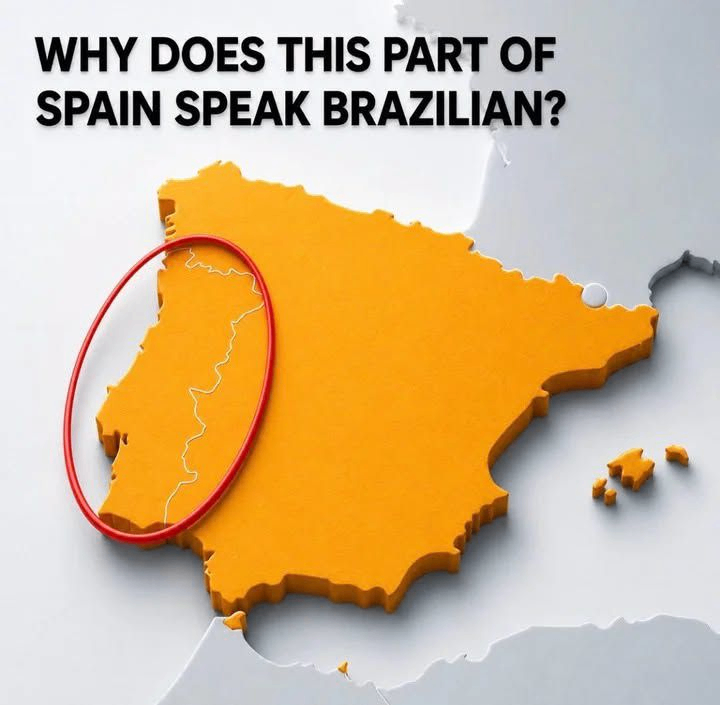
Because Portuguese has many more vowels than Spanish and there are a lot of false friends between the two.
To me, it sounds like Brazilian Portuguese (dunno about European Portuguese) has a ridiculous number of diphthongs.
portguese brazillian has a ridiculous number of diphtongs? havr you seen english? it could be my bias as a native speaker but I don’t really see many diphtongs in brazillian portuguese
Which English diphthongs are you talking about?
There’s the /ɔɪ/ in “choice”, and /aʊ/ in “mouth”.
There’s /aɪ/ in “light”.
Sometimes you hear a distinct /ʊ/ in “slow”, but again meaning there’s an /oʊ/ diphthong. But, if you dropped that sound and just pronounced it /o/, I think nobody would notice. I think you could argue that many dialects of English do that already.
There’s also a claim that /eɪ/ is heard in words like “play”, and I can maybe see that, but there’s also a claim that it’s how you pronounce “face”, and everyone I know just uses /e/.
There’s /juː/ as used in words like “music”. But, many of the words where that one was once used just use a /uː/ like “student” or “tune”.
So, that’s only /juː/, /ɔɪ/, /aɪ/ and /aʊ/ where the word sounds completely wrong if you don’t use the diphthong, and a number of other cases where some dialiects use a diphthong, or some people claim to hear a diphthong.
Meanwhiile in Portuguese you have:
And then add to that all the nasal diphthongs like mão or não. There are a lot of other weird things going on with Portuguese, but really the only English dialect(s) with a similar amount of vowel sounds is Aussie / Kiwi English.