He suggested that everyone read Iain Banks for a vision of the future, and Beddoes pointed out that Banks was a socialist. Musk insisted he wasn’t.
Criticizing a thing as socialism when it’s actually capitalism. Describing a socialist utopia and insisting it’s not socialism. This isn’t a thing unique to Musk. Why are people like this?
During the red scare, the boomers were programmed to be scared of anything remotely communist. The middle class was allowed to exist as 'muricas bling mostly to distract from the societal improvements theorized by socialist philosophers. In the 50s in America, they gave us just enough for people to shut up and try to be happy for 50 years while the underlying systems were being broken even worse than before. Some people are particularly susceptible to this and would trade their freedom for a tide pod, a stick of gum and a pocket constitution while rabidly denouncing socialists (even those who advocate for the benefit and fair treatment of non-socialists and socialists alike). Socialism is painted with the brush of it’s biggest failures; capitalism is only painted from the angles that make it look good and hide it’s collateral fallout.
Tl:Dr 50+ years of social conditioning and societal sculpting done to ensure scary communists from the 1940s and 50s don’t call you comrade.
As someone who has read all the books in Culture series I would (and will if provoked) argue that, as most books about utopias, it’s actually describing a dystopia. No idea if it’s socialist or not, but in the society Banks is describing people are reduced to the role of pets, not equal partners of AI.
Not really, human agents are still highly valued, hence the combo of human+drone team. If what you said was correct then they’re have just used avatars for everything. Djan Seriy Anaplian for example was a fucking badass.
Straight out in the first book Culture is shown as the bad guy, civilization that is not alive and has to be destroyed. It wins eventually but the point stands: Culture kind of like the Borg, absorbing humanoid species and growing without limits.
No other civilization relies on AI as much. In Hydrogen Sonata you have good description of other civilization that uses digital constructs that are still based on humans, not pure AI. There’s clear distinction between AI controlled Culture and other civilizations. Why other civilizations don’t use AI as much? Because they don’t want be controlled by it.
It’s clear AI likes to use people so it manipulates them to do what it wants. Player of Games is clear example of that. In State of the Art AI straight out assassinates a guy who doesn’t want to follow its orders.
In State of the Art Culture is also shows as sterile and boring. Everyone behaves because they don’t have a choice, their actions are meaningless, they don’t really control or anything or advance the civilization.
People have more of a sentimental value for AI. It does recognize human as intelligent the same way we recognize that animals are alive. People are sure taken care of but everything is run by AI. People are just pets.
Straight out in the first book Culture is shown as the bad guy, civilization that is not alive and has to be destroyed. It wins eventually but the point stands: Culture kind of like the Borg, absorbing humanoid species and growing without limits.
No, not really. Very intentionally by Banks, we see the Culture through the eyes of Bora in the first book. Bora hates the Culture, for his own ideological reasons. He believes that the Culture makes people soft and complacent and lacking agency, but we’re shown in the book how he’s wrong.
Further, he allies with the Idirans - a strictly worse civilization: brutal, imperialist, religious zealots who squash the civilizations they capture below their feet, breeding and dumbing them down to serve them.
The Culture is absolutely nothing like the Borg. The Borg forcefully concquer unwilling participants and suppress their individuality to force them into essentially slave labor.
The Culture grows by the merit of people wanting to join it. No-one is forced to. Their ideals are just something resonating with people. Individuals’ needs are fully taken care of, but in complete opposite of the Borg, it’s to enable each member to fully flourish and live their life to their own aspirations, free from material desperations.
I’m sorry, but what you originally wrote is exactly something that would come out of Bora’s mouth, and is just as wrong.
(Btw Banks has talked about how he wanted to first show the Culture through the lens of an enemy, and then dismantle that distorted view.)
No other civilization relies on AI as much. In Hydrogen Sonata you have good description of other civilization that uses digital constructs that are still based on humans, not pure AI. There’s clear distinction between AI controlled Culture and other civilizations. Why other civilizations don’t use AI as much? Because they don’t want be controlled by it.
True, but again, this is something that other civs say about the Culture, not literal reality. Humans, drones and Minds are not equally powerful, sure, not even close; but that there’s no (systemic! Stories sometimes focus on rogue individuals, be they human or machine!) abuse of this, that the Culture is as equitable as can reasonably be imagined, is one of its strengths.
It’s clear AI likes to use people so it manipulates them to do what it wants. Player of Games is clear example of that. In State of the Art AI straight out assassinates a guy who doesn’t want to follow its orders.
Yes, somewhat. The stories intentionally focus on the fringes of the Culture. (Plus, Gurgeh actively decides that he WANTS to get into Contact/SC, knowing that this sort of thing happens, and then is used as a pawn). Regarding the killings: this is part of accepting machine and human equality. If you would bind these superhuman Minds via Three Laws of Robotics or the like, then suddenly we have a class of oppressed machine beings.
I think the main point here is: we focus on the interesting bits and outliers (as Banks himself said), and as I tried to describe above, this issue is not systemic. We see, what, 5 cases like this? In a galaxy of trillions.
In State of the Art Culture is also shows as sterile and boring. Everyone behaves because they don’t have a choice, their actions are meaningless, they don’t really control or anything or advance the civilization.
Somewhat true, but again: you’re mixing what a character expresses about their perception with literal reality. A character, for that matter, who already was on the fringe of the fringens, being an SC agent. It’s also heavily implied that he simply romanticizes earth. Earth is backwater, exciting, chaotic; but if he really just wanted “non-stagnant”, he could have kept his relative safety and went into any of the non-Culture, but alien-acquainted civs.
And heavy, HEAVY disagree on the Culture being meaningless: this even is discussed in the books themselves! The Culture does, from time to time, debate its right to exist; why not sublime? And the answer is, because they’re doing measurable good.
We also see the culture change pretty drastically between, say, Consider Phlebas and Player of Games.
People have more of a sentimental value for AI. It does recognize human as intelligent the same way we recognize that animals are alive. People are sure taken care of but everything is run by AI. People are just pets.
Once again, this is a sentiment expressed by some characters, not literal reality. However, I actually think it’s somewhat close to true. At least in the following sense:
If Minds would stop caring about humanity tomorrow, then Culture citizens would be fucked, the same way your dog would be fucked if you stopped feeding it tomorrow.
However, where the analogy breaks down is that Minds don’t cage, neuter, steal from the wild, or restrict humans and drones. They took over production, transport and so on not because they wanted to keep humans in check, but because to them it’s literally no bother; so why not? Seems like a nice thing to do! I.e. its altruism, and without strings attached.
Note also that the “humans are just pets” argument is expressed multiple times by characters in a derisive way, but never shown to be the truth, and arguably the books show how and why it’s wrong.
Banks and his characters do examine the Culture from various, critical perspectives, which is why I’m so confident to say: the Culture is a Utopia.
Some interesting points! Not sure why you’re being downvoted for having an opinion, even if it’s not the same as some others, but I appreciate you taking the time to discuss the series. Such a shame he didn’t get to write more.
The Culture is described as a libertarian utopia (EDIT: libertarian socialist? I think I misremember. At least socialism as a word doesn’t appear), except that the habitat minds are benevolent and you have practically socialism because nothing costs anything. Not even land really because they can build as many orbitals as they want. They have zero laws. You can also see it as an anarchist utopia. You have no market and no capitalism. Basically once you have AGI and full abundance, economic systems like capitalism/socialism don’t mean anything any more.
Only ethics matter then, which Musk is incapable of because he’s a malignant narcissist. And he has been actively trying to create a malignant (anti-woke) AI.
The Culture is some sort of quasi-anarchic non-capitalist thing, though it’s hard to say for sure. It certainly is not capitalist, though, as the role of profitable production is not to increase the capital of those who already have it. Nothing is really socialized, though, and private property does seem to exist, so I don’t know that I would consider the Culture socialist or even communist. Maybe some sort of anarchic post-communist utopia.
In any case, Musk is a fucking idiot. Just a genuinely foolish person. And, like, yeah, Banks himself was a socialist.
Right it would be called revisionist. The idea that socialism is one rigid set of prescriptive ideals is a misconception, at least to most political scientists. There are of course Orthodox Marxists, but nobody really takes them seriously outside of their little internet fiefdoms. For most other political philosophers, socialism is a range of beliefs and practices loosely tied together by the desire for, or belief in a post capitalist world. How you get there and what it exactly looks like is the topic of much debate, to the point where it usually feels counterproductive to even get tied up in labels. This “proper noun” philosophy is a good way to get oriented out of the gate, but the real work comes in how those labels get reduced to first principles more than the labels themselves.


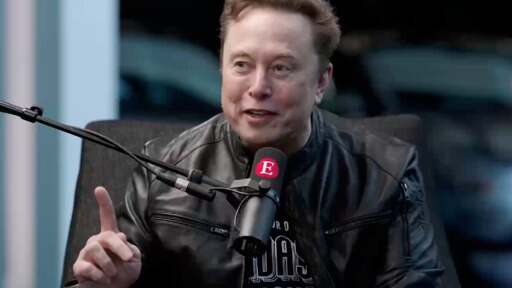
Criticizing a thing as socialism when it’s actually capitalism. Describing a socialist utopia and insisting it’s not socialism. This isn’t a thing unique to Musk. Why are people like this?
People like Musk are so high from huffing their own farts, they can’t even conceive of the possibility that they might be wrong.
A simplified and opinionated explanation:
During the red scare, the boomers were programmed to be scared of anything remotely communist. The middle class was allowed to exist as 'muricas bling mostly to distract from the societal improvements theorized by socialist philosophers. In the 50s in America, they gave us just enough for people to shut up and try to be happy for 50 years while the underlying systems were being broken even worse than before. Some people are particularly susceptible to this and would trade their freedom for a tide pod, a stick of gum and a pocket constitution while rabidly denouncing socialists (even those who advocate for the benefit and fair treatment of non-socialists and socialists alike). Socialism is painted with the brush of it’s biggest failures; capitalism is only painted from the angles that make it look good and hide it’s collateral fallout.
Tl:Dr 50+ years of social conditioning and societal sculpting done to ensure scary communists from the 1940s and 50s don’t call you comrade.
As someone who has read all the books in Culture series I would (and will if provoked) argue that, as most books about utopias, it’s actually describing a dystopia. No idea if it’s socialist or not, but in the society Banks is describing people are reduced to the role of pets, not equal partners of AI.
That’s the “fully automated” part of “fully automated luxury gay space communism”
Not really, human agents are still highly valued, hence the combo of human+drone team. If what you said was correct then they’re have just used avatars for everything. Djan Seriy Anaplian for example was a fucking badass.
Yes really.
Straight out in the first book Culture is shown as the bad guy, civilization that is not alive and has to be destroyed. It wins eventually but the point stands: Culture kind of like the Borg, absorbing humanoid species and growing without limits.
No other civilization relies on AI as much. In Hydrogen Sonata you have good description of other civilization that uses digital constructs that are still based on humans, not pure AI. There’s clear distinction between AI controlled Culture and other civilizations. Why other civilizations don’t use AI as much? Because they don’t want be controlled by it.
It’s clear AI likes to use people so it manipulates them to do what it wants. Player of Games is clear example of that. In State of the Art AI straight out assassinates a guy who doesn’t want to follow its orders.
In State of the Art Culture is also shows as sterile and boring. Everyone behaves because they don’t have a choice, their actions are meaningless, they don’t really control or anything or advance the civilization.
People have more of a sentimental value for AI. It does recognize human as intelligent the same way we recognize that animals are alive. People are sure taken care of but everything is run by AI. People are just pets.
No, not really. Very intentionally by Banks, we see the Culture through the eyes of Bora in the first book. Bora hates the Culture, for his own ideological reasons. He believes that the Culture makes people soft and complacent and lacking agency, but we’re shown in the book how he’s wrong.
Further, he allies with the Idirans - a strictly worse civilization: brutal, imperialist, religious zealots who squash the civilizations they capture below their feet, breeding and dumbing them down to serve them.
The Culture is absolutely nothing like the Borg. The Borg forcefully concquer unwilling participants and suppress their individuality to force them into essentially slave labor.
The Culture grows by the merit of people wanting to join it. No-one is forced to. Their ideals are just something resonating with people. Individuals’ needs are fully taken care of, but in complete opposite of the Borg, it’s to enable each member to fully flourish and live their life to their own aspirations, free from material desperations.
I’m sorry, but what you originally wrote is exactly something that would come out of Bora’s mouth, and is just as wrong.
(Btw Banks has talked about how he wanted to first show the Culture through the lens of an enemy, and then dismantle that distorted view.)
True, but again, this is something that other civs say about the Culture, not literal reality. Humans, drones and Minds are not equally powerful, sure, not even close; but that there’s no (systemic! Stories sometimes focus on rogue individuals, be they human or machine!) abuse of this, that the Culture is as equitable as can reasonably be imagined, is one of its strengths.
Yes, somewhat. The stories intentionally focus on the fringes of the Culture. (Plus, Gurgeh actively decides that he WANTS to get into Contact/SC, knowing that this sort of thing happens, and then is used as a pawn). Regarding the killings: this is part of accepting machine and human equality. If you would bind these superhuman Minds via Three Laws of Robotics or the like, then suddenly we have a class of oppressed machine beings.
I think the main point here is: we focus on the interesting bits and outliers (as Banks himself said), and as I tried to describe above, this issue is not systemic. We see, what, 5 cases like this? In a galaxy of trillions.
Somewhat true, but again: you’re mixing what a character expresses about their perception with literal reality. A character, for that matter, who already was on the fringe of the fringens, being an SC agent. It’s also heavily implied that he simply romanticizes earth. Earth is backwater, exciting, chaotic; but if he really just wanted “non-stagnant”, he could have kept his relative safety and went into any of the non-Culture, but alien-acquainted civs.
And heavy, HEAVY disagree on the Culture being meaningless: this even is discussed in the books themselves! The Culture does, from time to time, debate its right to exist; why not sublime? And the answer is, because they’re doing measurable good.
We also see the culture change pretty drastically between, say, Consider Phlebas and Player of Games.
Once again, this is a sentiment expressed by some characters, not literal reality. However, I actually think it’s somewhat close to true. At least in the following sense:
If Minds would stop caring about humanity tomorrow, then Culture citizens would be fucked, the same way your dog would be fucked if you stopped feeding it tomorrow.
However, where the analogy breaks down is that Minds don’t cage, neuter, steal from the wild, or restrict humans and drones. They took over production, transport and so on not because they wanted to keep humans in check, but because to them it’s literally no bother; so why not? Seems like a nice thing to do! I.e. its altruism, and without strings attached.
Note also that the “humans are just pets” argument is expressed multiple times by characters in a derisive way, but never shown to be the truth, and arguably the books show how and why it’s wrong.
Banks and his characters do examine the Culture from various, critical perspectives, which is why I’m so confident to say: the Culture is a Utopia.
(One we’ll never reach.)
Great points on both sides, and I’m just happy to see people discussing his works :)
Some interesting points! Not sure why you’re being downvoted for having an opinion, even if it’s not the same as some others, but I appreciate you taking the time to discuss the series. Such a shame he didn’t get to write more.
The Culture is described as a libertarian utopia (EDIT: libertarian socialist? I think I misremember. At least socialism as a word doesn’t appear), except that the habitat minds are benevolent and you have practically socialism because nothing costs anything. Not even land really because they can build as many orbitals as they want. They have zero laws. You can also see it as an anarchist utopia. You have no market and no capitalism. Basically once you have AGI and full abundance, economic systems like capitalism/socialism don’t mean anything any more.
Only ethics matter then, which Musk is incapable of because he’s a malignant narcissist. And he has been actively trying to create a malignant (anti-woke) AI.
The Culture is some sort of quasi-anarchic non-capitalist thing, though it’s hard to say for sure. It certainly is not capitalist, though, as the role of profitable production is not to increase the capital of those who already have it. Nothing is really socialized, though, and private property does seem to exist, so I don’t know that I would consider the Culture socialist or even communist. Maybe some sort of anarchic post-communist utopia.
In any case, Musk is a fucking idiot. Just a genuinely foolish person. And, like, yeah, Banks himself was a socialist.
Right it would be called revisionist. The idea that socialism is one rigid set of prescriptive ideals is a misconception, at least to most political scientists. There are of course Orthodox Marxists, but nobody really takes them seriously outside of their little internet fiefdoms. For most other political philosophers, socialism is a range of beliefs and practices loosely tied together by the desire for, or belief in a post capitalist world. How you get there and what it exactly looks like is the topic of much debate, to the point where it usually feels counterproductive to even get tied up in labels. This “proper noun” philosophy is a good way to get oriented out of the gate, but the real work comes in how those labels get reduced to first principles more than the labels themselves.